
Stay Ahead: Current Real Estate Market Trends in Your Area
The featured-area-intro-v2 corridor around Moncton, Dieppe, and Riverview continues to evolve as demand shifts across price segments. According to The Canadian Real Estate Association, national home sales in early 2026 sit roughly 10% above year-ago levels, signaling renewed buyer confidence. Local listings near Main Street, Vaughan Harvey Boulevard, and Mountain Road reflect this momentum through tighter inventory, more frequent multiple-offer scenarios, and greater segmentation between entry-level condos and larger single-family homes close to Centennial Park and Jones Lake.
How Are Prices Shifting Across the featured-area-intro-v2 Corridor?
Price behavior in the featured-area-intro-v2 area varies sharply between downtown Moncton condos, Dieppe townhomes near CF Champlain, and Riverview detached homes close to Riverfront Park. According to Realtor.ca data through Q1 2026, typical asking ranges for many Greater Moncton properties fall between $260,000 and $450,000, depending on age, size, and location. Newer builds near Mapleton Park and the Moncton Coliseum often command premiums compared with older housing stock near St. George Street or Morton Avenue.
Entry-level buyers increasingly focus on compact units along Main Street and close to the Moncton Public Library, where total ownership costs remain below those for larger homes in Dieppe’s newer subdivisions. Based on listing trends tracked by Realtor.ca, many townhomes near the Dieppe Aquatic Centre and Rotary St-Anselme Park cluster in the $320,000 to $380,000 band in early 2026. This band often attracts first-time purchasers seeking modern finishes and shorter commute times.
Higher-end detached properties near Université de Moncton, Jones Lake, and along Ryan Street or Elmwood Drive typically list well above regional averages. According to listing aggregates compiled by Zolo, upper-tier homes in the Greater Moncton region often exceed $600,000, particularly where lots back onto wooded ravines or the Petitcodiac River. Limited infill opportunities close to Avenir Centre and Resurgo Place further support premium pricing for character homes on established streets with mature trees and walkable amenities.
What Inventory and Days-on-Market Patterns Are Emerging?
Inventory across the featured-area-intro-v2 corridor has tightened compared with earlier cycles, especially for listings under $400,000. According to Q1 2026 data from CREA, national months of inventory hover near 3.5, indicating conditions that favor sellers in many regions. Local streets such as Mountain Road, McLaughlin Drive, and Shediac Road often show similar dynamics, with well-priced homes attracting strong interest within the first 7 to 14 days on market.
On mild spring evenings along Riverfront Park, the sound of water against the Petitcodiac River wall carries toward downtown Moncton, mixing with the distant music from events at Avenir Centre. Fresh coffee aromas drift from cafés near Main Street as pedestrians pass under the glow of streetlights reflecting off wet pavement. This steady foot traffic around businesses close to the Moncton Public Library helps sustain demand for nearby condos, where short walks and an animated streetscape offset smaller interior floor plans.
Townhome and semi-detached supply in subdivisions near Bernice MacNaughton High School and Harrison Trimble High School tends to cycle seasonally. According to listing histories examined by Point2Homes, new inventory in family-oriented segments often peaks between April and June, then again in late August as school calendars shift. Days on market during those windows typically compress into the range of 15 to 25 days for accurately priced properties, especially those with finished basements and updated mechanical systems.
How Are Mortgage Rates and Affordability Influencing Demand?
Interest rate movements remain a central driver of real estate market trends in the featured-area-intro-v2 area. According to the Bank of Canada, the overnight rate in early 2026 sits around 4.5%, easing slightly from earlier peaks. This moderation improves qualification power for households targeting properties near the Moncton Hospital, Dr. Georges-L.-Dumont University Hospital Centre, and commercial corridors around Vaughan Harvey Boulevard, where transit access and employment hubs converge.
Affordability calculations also hinge on down payment structures. As outlined by CMHC, insured mortgages in Canada allow minimum down payments of 5% on many purchases under $500,000. This threshold keeps numerous condos near CF Champlain and townhomes off Champlain Street within reach for buyers who have accumulated limited savings but stable income. Income-tested insurance premiums and stress tests, however, continue to shape maximum approved budgets across the region.
Transit-friendly sections of Moncton and Dieppe often show stronger resilience when borrowing costs rise. Corridors served by major bus routes along Main Street, Elmwood Drive, and Amirault Street allow households to limit vehicle expenses, which can reach several hundred dollars per month. According to Numbeo, average transportation costs in Moncton can easily surpass $250 monthly per vehicle, so proximity to work and services frequently factors into long-term affordability assessments.
What Neighborhood Micro-Trends Stand Out Right Now?
Several micro-trends differentiate sub-areas within the featured-area-intro-v2 region. Downtown Moncton around Main Street, Church Street, and Botsford Street has seen renewed interest in mixed-use buildings with ground-floor retail and upper-level residential units. According to walkability metrics from Walk Score, portions of central Moncton score in the mid-70s for walkability, drawing professionals who prioritize restaurants, entertainment at Avenir Centre, and quick access to offices near the Moncton Public Library.
Riverview neighborhoods close to Riverfront Park and Coverdale Road feature a different rhythm, with larger lots and quieter streets appealing to households seeking more green space. Sales activity around Gunningsville Boulevard and Fairway Boulevard reflects consistent interest in detached homes near schools and local shops. According to listing trends aggregated by Zolo, many properties in these areas cluster between $350,000 and $500,000 in early 2026, particularly those with attached garages, three or more bedrooms, and updated kitchens.
Weekend mornings in Dieppe’s commercial district near CF Champlain bring the smell of fresh pastries from bakery counters and the crisp chill of air-conditioned storefronts as automatic doors slide open and closed. Natural light pours into the wide concourses, while the faint echo of music from clothing shops mixes with bilingual conversations. This sensory energy extends to nearby streets like Paul Street and Champlain Street, where steady retail traffic supports condo and townhouse values within walking distance of everyday amenities.
How Can Buyers and Investors Interpret Upcoming Market Signals?
Forward-looking signals across the featured-area-intro-v2 corridor center on construction pipelines, employment patterns, and infrastructure projects. Building permits reported by the City of Moncton show continued interest in infill and multifamily projects near Vaughan Harvey Boulevard and Mountain Road, reinforcing the long-term relevance of transit-supportive locations. Road and transit improvements along Wheeler Boulevard and Hall’s Creek areas are expected to enhance east–west connectivity, which often leads to renewed attention for nearby housing once projects reach completion.
Investors monitoring rental indicators around Université de Moncton, Collège communautaire du Nouveau-Brunswick, and nearby streets like Massey Avenue and Antonine-Maillet Avenue often focus on vacancy and absorption rates. According to national rental statistics compiled by CMHC, many Canadian mid-sized cities report vacancy in the range of 1.5% to 3% in 2025–2026, a band that typically supports steady rent growth when mirrored locally. Proximity to campuses, hospitals, and downtown offices tends to amplify this effect.
Planned upgrades to recreational assets such as Centennial Park, Mapleton Park, and Rotary St-Anselme Park also influence perceived neighborhood trajectory. Enhanced trail networks, upgraded playgrounds, and new event programming around Jones Lake and Riverfront Park encourage longer-term residence and community engagement. As households increasingly rank access to green space alongside commute time and interior square footage, areas combining parks, schools, and retail within roughly 1.5 to 3 kilometers gain a strategic advantage over less connected pockets in the broader region.
The 10% national sales increase cited at the start of this guide reflects a market transitioning from pause to cautious momentum across regions comparable to the featured-area-intro-v2 corridor. That same 10% figure from the opening underscores how even moderate demand shifts can significantly affect pricing and competition along streets like Main Street, Mountain Road, and Coverdale Road. The New Brunswick Real Estate Association market updates offer one of the clearest recurring snapshots of inventory, sales counts, and price ranges across Greater Moncton. Buyers who register listing alerts through brokerage platforms and commit to touring promising properties within 48 hours of hitting the market before the late-spring surge often secure more favorable terms and broader choice. Those who delay meaningful engagement until after June frequently encounter thinner options, higher effective prices, and a reduced ability to negotiate on inspection findings or closing dates.
FROM OUR BLOG
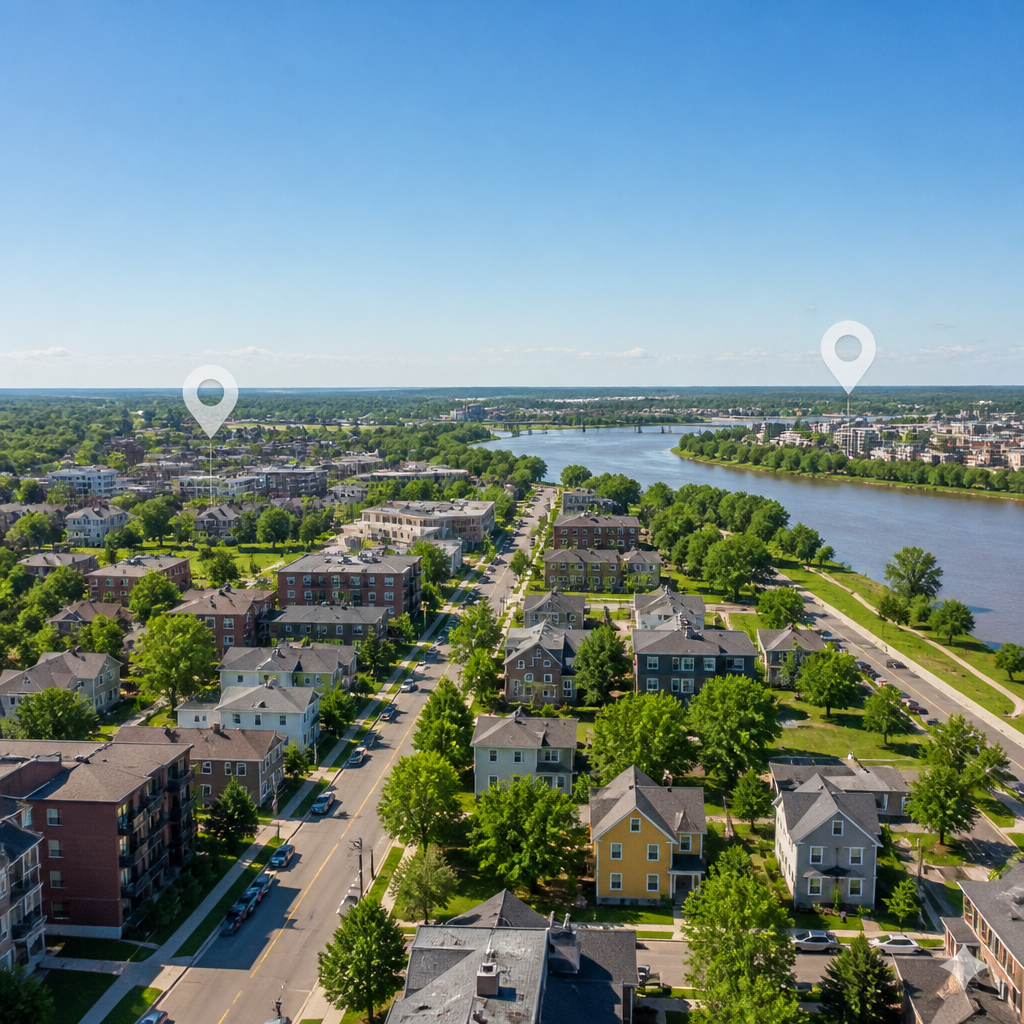
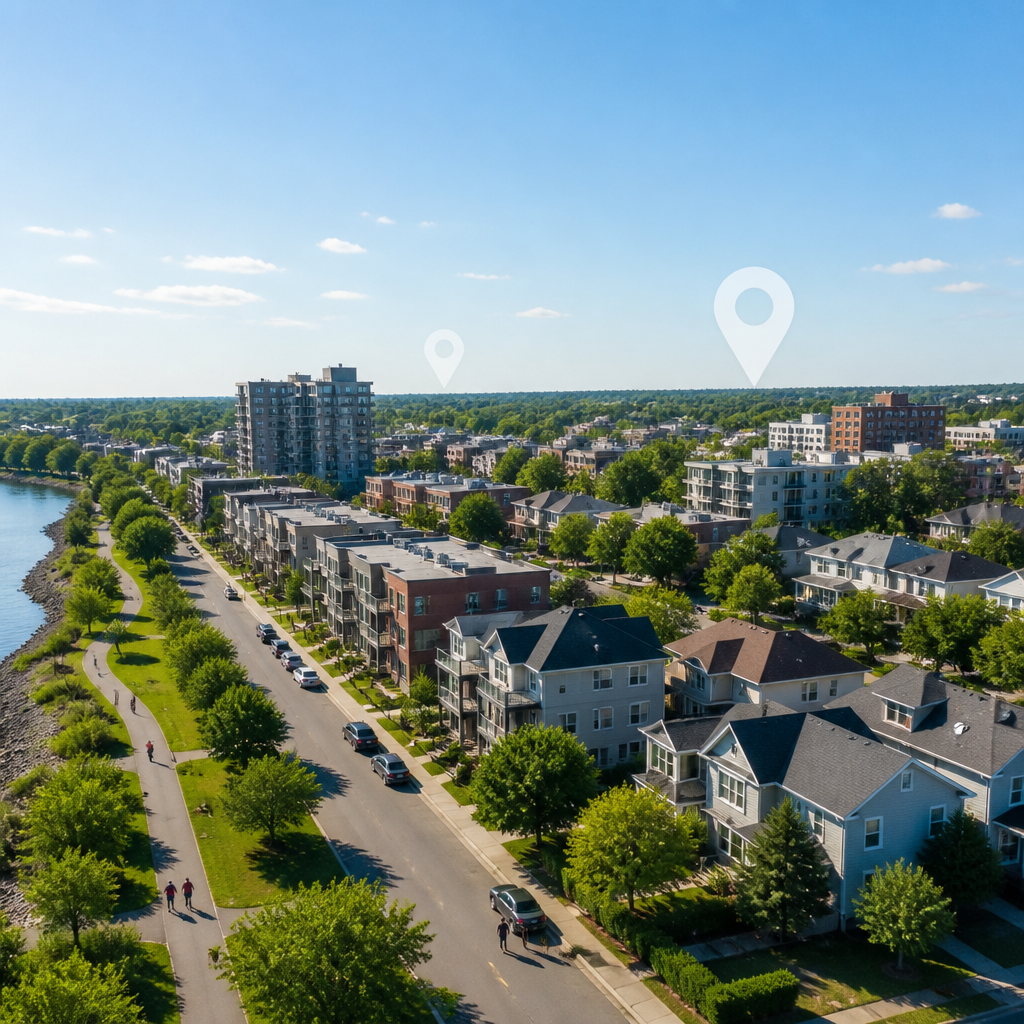
Find Your Dream Home: Top Homes for Sale in Your Area
Find Your Dream Home: Top Homes for Sale in Your Area – homes for sale in [area] The search for homes for sale in [area] increasingly centers on value, walkability, and long-term stability. According to Realtor.ca, active residential listings in Moncton and surrounding neighborhoods typically range
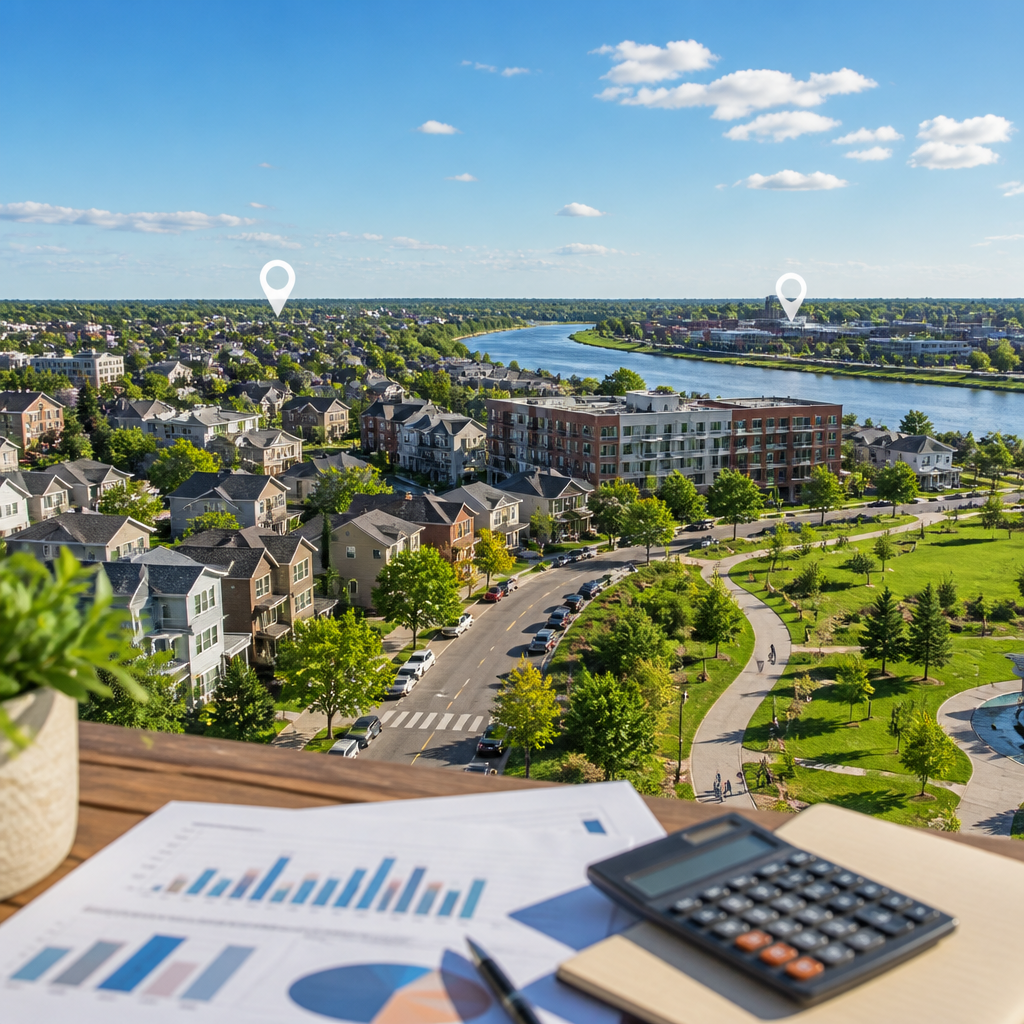
First-Time Home Buyer Tips: What You Need to Know in Your Area
First-Time Home Buyer Tips: What You Need to Know in Your Area Entering the housing market in the Greater Moncton area can feel daunting, especially with headlines about affordability and rising borrowing costs. According to Canada Mortgage and Housing Corporation, roughly 45% of recent home purchas

2026 Real Estate Market Trends: What Buyers and Sellers Should Know
2026 Real Estate Market Trends: What Buyers and Sellers Should Know Across major markets from Yonge Street in Toronto to Broadway in New York, housing dynamics continue to shift entering 2026. According to National Association of Realtors data through late 2024, existing-home sales volume rebounded